Twenty days south from Tierra del Fuego through the Falklands and South Georgia to the Antarctic Peninsula aboard M/Y Octopus.
Antarctica is the ultimate travel experience. Found at the bottom of the world, it is a remote wilderness, untrammeled and untamed: a coastline of mountains, fjords and islands under near-constant daylight, with no permanent human population at all. This voyage runs about 3,040 nautical miles over twenty days, south from Ushuaia through the Falklands and South Georgia to the Antarctic Peninsula.
The Falkland Islands and South Georgia are situated at the gateway to the Antarctic Peninsula, on the threshold of the Atlantic and Southern Oceans. Each harbors a truly exceptional array of wildlife that, thanks to successful conservation efforts, has returned from the brink of the intensive overexploitation in the early 19th and 20th centuries. Insiders call South Georgia the Serengeti of the Southern Ocean, one of the greatest wildlife spectacles on Earth.
Every voyage here is unique. The route is decided by weather and ice, and the itinerary stays flexible so the yacht can follow the best conditions of the day. Landings are made each day to visit wildlife colonies, historic sites or research stations. Each day your Captain and Expedition Team will discuss options with the group to deliver a customized experience based on your preferences as you explore Antarctica. The sites that follow are examples the Expedition Leader may choose between, weather and ice permitting.
Aboard M/Y Octopus · 5 – 24 February 2027.
Your itinerary is flexible to make the best of weather and ice conditions. Each day your Captain and Expedition Team will discuss options with the group to deliver a customized experience based on your preferences as you explore Antarctica.
South from Ushuaia through the Falklands and South Georgia to the Antarctic Peninsula, and back across the Drake Passage.
Guests arrive by private jet at Ushuaia International Airport and transfer twenty minutes to M/Y Octopus, alongside the commercial pier. A safety briefing and muster drill on board come before departure.
The evening sail runs east down the Beagle Channel, the pilot aboard until the channel exit.
The Falkland Islands consist of two main islands, East Falkland and West Falkland, and more than 700 smaller islands. The craggy, indented coastline provides many natural sheltered harbors, making it an ideal location for exploring with your expedition yacht. We are passionate about the Falkland Islands and genuinely look forward to sharing this rich archipelago with you, and the field staff aboard have completed hundreds of expeditions across the Southern Hemisphere. These days reach albatross and penguin colonies, a visit with island owners, and the small capital at Stanley, with its cathedral, whalebone arch and dockyard museum, before provisioning for the Scotia Sea.
Through the Le Maire Strait and northeast toward the Falklands. Spend time on deck watching for the whales that frequent these rich waters or enjoying the acrobatic maneuvers of black-browed albatross, giant petrels and prions as they crisscross the sky. In the afternoon the expedition team briefs the Falklands and South Georgia biosecurity rules.
For the adventurous, few destinations can match the Falkland Islands, with their wide open skies, endless vistas, long white sandy beaches, clear blue seas and the largest breeding colony of black-browed albatross, southern rockhopper and Magellanic penguins. Zodiacs run ashore at West Point in the morning for the walk across the island to the Devil's Nose albatross and rockhopper colony.
The afternoon lands at Carcass Island for Magellanic and gentoo penguins and tea with the island owners. Landings are subject to swell; the alternate is a Zodiac cruise along the cliffs.
Alongside or at anchor in Stanley harbour. The morning walk through town takes in Christ Church Cathedral, the whalebone arch and the Historic Dockyard Museum. An optional afternoon runs out to Gypsy Cove for Magellanic penguins.
Final provisioning and a fuel check come before the Scotia Sea crossing.
Passage east across the Scotia Sea toward South Georgia, crossing the Antarctic Convergence where the water temperature drops sharply. Lectures cover Shackleton and the Endurance. All outer clothing, bags and boots are vacuumed and checked for seeds in preparation for the South Georgia biosecurity inspection.
Continue east, passing Shag Rocks in the afternoon if visibility allows, with large numbers of seabirds and possible whales. The mandatory South Georgia briefing on the GSGSSI visitor guidelines is given to all guests before arrival.
The only way to visit South Georgia is by sea. For the amount of raw wildlife experienced in return, the hours spent traveling to South Georgia are a small investment, and even the days spent at sea in the Southern Ocean are replete with wildlife. Albatross and pelagic dolphins rarely let a yacht pass by without at least a short visit. With their striking black and white plumage and vibrant orange neck markings, the island's king penguins gather in large, bustling colonies to breed, incubate eggs and rear their chicks, carrying each egg on their feet rather than building a nest. These days reach Shackleton's grave, the great king colonies and the glacier at the head of the fjord that closes the leg.
Ship's clocks go forward one hour. The Government Officer clears the ship in at King Edward Point, and the biosecurity inspection takes place on board before any landing. Visitors to Grytviken are greeted by king penguins and juvenile fur seals. Sir Ernest Shackleton is buried in the nearby whaler's cemetery, and this abandoned whaling station boasts an exceptional museum, with the Norwegian church alongside and a toast at the grave.
At King Edward Point itself, the numbers of fur seals on the beaches are evidence that conservation works: since the ban on hunting in the 1970s, populations have steadily grown to pre-slaughter levels. Fur seals and elephant seals line the shore around the research station.
There's no feeling quite like stepping ashore in South Georgia to be among hundreds of thousands of king penguins. The morning lands at St Andrews Bay, the largest king penguin colony on South Georgia, below the Cook, Buxton and Heaney glaciers. The afternoon lands at Gold Harbour for king penguins, elephant seals and gentoos under the hanging Bertrab Glacier.
A morning Zodiac cruise at Cooper Bay, with no landing, for macaroni and chinstrap penguins. Approximately 50 percent of South Georgia is covered by glaciers, and at the base of this fjord sits the biggest and most active glacier on the island: a midday scenic cruise runs to the head of Drygalski Fjord and the Risting Glacier, snow petrels on the cliffs. Octopus departs at 1600 southwest for Elephant Island.
Passage southwest toward the South Orkney and South Shetland chain, with the first icebergs likely. Lectures cover Antarctic ice, penguins and the IAATO guidelines, and the Antarctic biosecurity check of clothing and gear is carried out.
Continue southwest. Whale watching from the bridge wing, with fin and humpback whales common in these waters in February. The evening briefing covers Elephant Island and the plan for the Antarctic Peninsula.
This 30-mile stretch of water at the tip of the Antarctic Peninsula offers remarkable views as you sail past Joinville Island and into the Weddell Sea. The Weddell Sea is ice cruising central, and its icebergs are born on the Larsen Ice Shelf before coming to rest here. Ice conditions can be challenging, and any vessel entering these waters carefully assesses weather forecasts and ice charts before committing, which is why vessels operating here are typically ice-classed. The leg opens past the historic beaches of Elephant Island, where moving between this sub-Antarctic ground and the Peninsula itself calls for care with boots, packs and gear so nothing travels with you that should not, and closes at the first continental landing of the voyage.
Ship's clocks go back one hour. Elephant Island is perhaps the most historically significant site in all of Antarctica. Here, twenty-two of Sir Ernest Shackleton's men waited four and a half months in 1916 awaiting rescue, taken off by the Yelcho on 30 August. As you cruise past its rocky, desolate beaches, it is impossible not to think about the early Antarctic explorers and marvel at their perseverance.
A landing is rarely possible because of swell, so this is a Zodiac cruise only, with chinstrap penguins on the rocks below the Yelcho monument. Octopus departs at 1300 for Antarctic Sound.
Known as Iceberg Alley, Antarctic Sound is at the very northeastern point of the Antarctic Peninsula, where large tabular icebergs drift north from the Weddell Sea. The first continental landing comes at Brown Bluff, with Adélie and gentoo penguin colonies below the volcanic cliffs.
The afternoon is a Zodiac cruise at Kinnes Cove along the Madder Cliffs Adélie colony, with large tabular icebergs throughout. If ice closes the landing, the ship cruises through the sound instead.
On the western side of the Antarctic Peninsula, you will spend several days exploring the numerous islands and channels of this scenic area, where mountains rise directly from the sea and deep fjords fill with ice. Conditions can change quickly, and the days are shaped as much by the ice and weather as by the itinerary, with near-constant daylight in the early austral summer providing long opportunities for exploration. The schedule can linger longer at a landing site when the light turns golden, or adjust to follow a pod of whales across open water, and the most memorable moments often come at eye level, from a Zodiac alongside the animals themselves. The days here run among feeding whales and a 1915 wreck, and make landings on the continent itself.
An overnight run across the Bransfield Strait reaches Cierva Cove: a deep cove backed by an immense glacial face that calves regularly into the bay. Zodiacs weave through the resulting field of sculptural icebergs and brash ice, with leopard seals often hauled out on the floes and the Argentine Primavera station on the shore.
The afternoon threads the arches and channels of Spert Island, off the western tip of Trinity Island, a place few ships visit: a maze of narrow rock channels and collapsed sea arches that Zodiacs run between walls of basalt, with grounded icebergs glowing blue in the shadows, swell permitting.
Humpback whales frequent these waters and feed on small shrimp-like krill, and Wilhelmina Bay, where large congregations are a common sight, is one of the best examples of this conservation success. The morning runs Zodiacs among the whales and ice, with submersible dives in the bay, conditions permitting and a maximum of two guests per dive.
The afternoon reaches Enterprise Island, on the edge of the bay at Foyn Harbour, and the wreck of the Guvernøren, a Norwegian whaling factory ship deliberately run aground in 1915 when fire broke out aboard. All 85 crew survived. The rusted hull now shelters nesting Antarctic terns, and Zodiacs circle it slowly through still, protected water.
The morning lands at Neko Harbour on the continent itself. Gentoo penguins breed on the rocky point, and the glacier face across the water calves with a sound like artillery; time ashore is spent high on the viewpoint ridge, above the tsunami line.
The afternoon climbs Orne Harbour: a snow climb to the saddle above the water reaches a chinstrap penguin colony on the exposed rock of Spigot Peak, with the Gerlache Strait laid out below. The alternate is kayaking in Andvord Bay.
This part of Antarctica offers some of the most dramatic scenery on the continent, and traveling by private yacht allows guests to navigate these remote waterways in comfort while experiencing the region's striking landscapes up close. The Lemaire Channel is known to those familiar with it as the Kodak Gap for its picture-perfect, mirrored water between towering peaks, with high peaks and a narrow passage that is often blocked by ice, where an ice-classed vessel is a real advantage. The days cruise an iceberg graveyard and a wintering cairn from 1904, and reach Port Lockroy, a restored British research station turned museum and post office, before the run north across the Drake Passage.
The Lemaire Channel is a geologic wonder that showcases the power and drama of the Antarctic landscape. Carved by glaciers over millennia, this narrow, icy waterway presents a panorama of towering, jagged peaks that rise dramatically from the water. The ship transits at first light, ice permitting.
The morning explores Pléneau Island for gentoo penguins and a Zodiac cruise through the iceberg graveyard. The afternoon reaches Port Charcot, where Charcot wintered in 1904, and the cairn on the hill. If the Lemaire is blocked, the alternate is Paradise Harbour.
Port Lockroy is Britain's wartime Base A on tiny Goudier Island, now a living museum and the southernmost public post office in the world. Postcards mailed here travel out with the season's ships, and visits are by prior arrangement. Gentoos nest against the hut walls, indifferent to their fame. In the afternoon, Zodiacs cruise the ice-capped Melchior Islands in Dallmann Bay
Drake Passage northbound, often cited as the roughest seas on Earth, with wandering and royal albatross following the ship. The expedition team hosts a photo review and recap, and the farewell dinner is served on board.
Octopus arrives Ushuaia at 0800, clearing in with Argentine immigration on board.
Guests disembark after breakfast and transfer to Ushuaia International Airport for departing flights.
Kings by the hundred thousand at South Georgia; gentoos, chinstraps, Adélies on the Peninsula.
Humpbacks feed in Wilhelmina Bay and the Gerlache Strait; leopard, fur and elephant seals haul out.
Tabular bergs drift through Iceberg Alley; the Lemaire narrows to a mile of mirrored water.
Shackleton's grave, Point Wild, the Guvernøren wreck, and the post office at Port Lockroy.
Across Antarctica.
Across Antarctica.
Across Antarctica.
Across Antarctica.
Across Antarctica.
Across Antarctica.
Across Antarctica.
Across Antarctica.
Across Antarctica.
Across Antarctica.
Across Antarctica.
Across Antarctica.
Across Antarctica.
"Helicopters provide a thrilling way to experience Antarctica from a bird's-eye view."
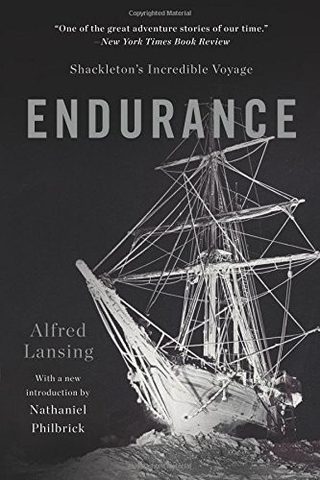
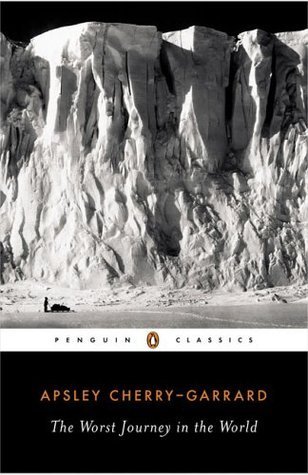
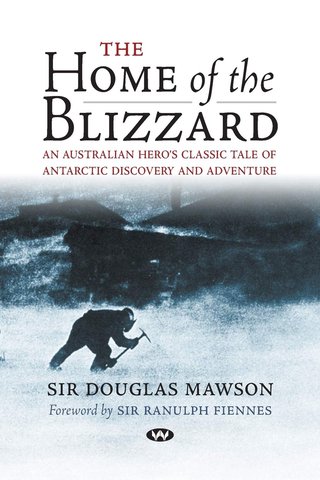
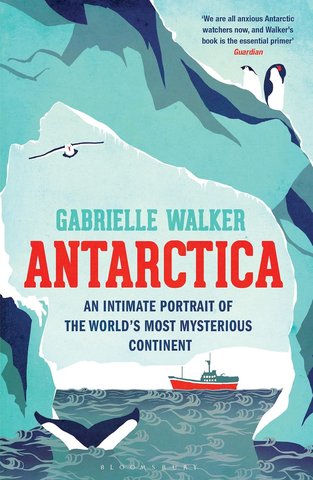
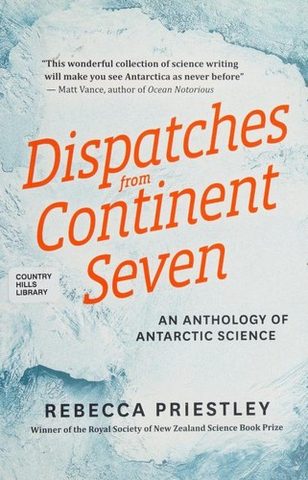
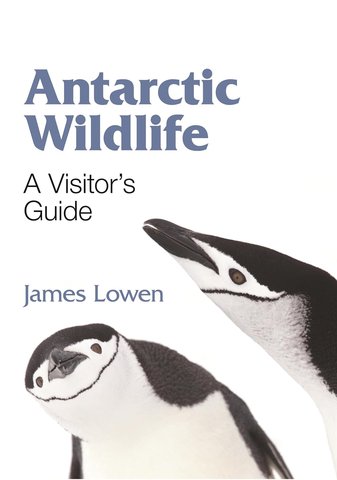
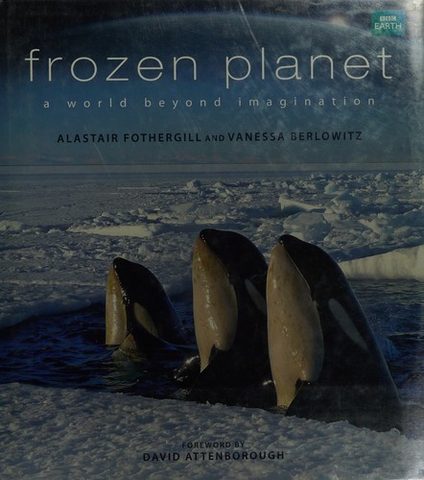
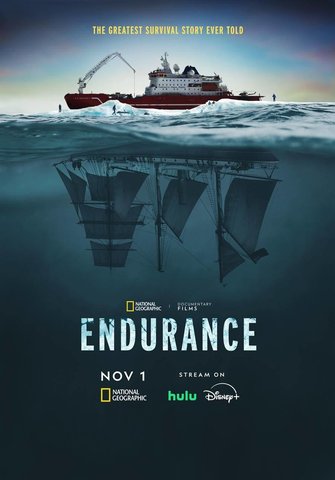
A shelf for the days at sea and the long southern light. Read Shackleton before South Georgia, and keep a field guide to hand when the colonies come into view.


The light runs long and low at this latitude in February, and the snow fools every meter. A few things worth knowing before the first landing.
In the Field
For the camera and lenses you bring on deck and ashore.
On Your Phone
Tips for shooting on a phone.
In the Field
Team to be confirmed
These EYOS guides have led voyages in this region before. The team for this departure is to be confirmed, and any name here may change.
Ian Strachan is an expedition leader, nature photographer and logistician whose career has taken him from the icy frontiers of Antarctica to the coral-rich seas of the South Pacific. As Head of Expeditions at EYOS, he designs and leads private and research voyages in some of the world's most remote environments.
Before joining EYOS, Ian spent more than a decade with leading expedition operators as a naturalist, photo instructor, cold water diver and UAV pilot. His field expertise spans all seven continents, with extensive work in the polar regions; whether operating a drone in a calving fjord or guiding a Zodiac through Antarctic ice, he pairs technical precision with a passion for discovery.
A National Geographic Explorer recognised in 2018 for documenting glacial activity in Southeast Alaska, Ian holds a U.S. Coast Guard 100 Ton Master's License and is a Senior Polar Guide with the Polar Tourism Guides Association.
Beau brings a broad range of operational skills to expedition work, including Zodiac handling, radio communications, remotely operated vehicles (ROVs), and the specialized equipment that supports operations in some of the world’s most remote environments. He also brings extensive guiding experience in Antarctica, where his calm leadership and technical expertise help ensure that each expedition operates safely, efficiently, and seamlessly behind the scenes.
His lifelong connection to the ocean began along Australia’s coastline, where he became a PADI Master Instructor before moving into commercial diving, marine contracting, and underwater engineering. His diverse career has taken him through military training, flood relief, salvage operations, documentary and film production, and work supporting NASA’s Artemis Program through the development of underwater virtual-reality training systems. Having dived on every continent, Beau now combines decades of marine experience with a passion for teaching, helping expedition teams develop the skills, knowledge, and confidence needed to safely explore some of the world’s most remote places.
Flexible accommodations for 12 guests in 13 cabins.
All cabins are fully air conditioned/ heated with individual controls in each cabin.
Each cabin features a: Safe · Telephone · TV with access to video on demand, navigational charts and live exterior scenic camera feeds (Live TV is not available) · Sound system
Bathrooms are all en-suite and are equipped with comfort heated floors, a toilet, shower and bath & hairdryer. A range of essential toiletries is provided.
OCTOPUS’ cinema offers a wide selection of movies over 800 movies to suit all tastes. For gaming enthusiasts, OCTOPUS has a PlayStation available for your enjoyment. Selected seats in the cinema are specially motion-activated and provide an immersive viewing experience. OCTOPUS also has a DJ Booth in Studio.
OCTOPUS has an open bridge, where you are always welcome to visit. The Captain may decide to close the bridge at any time due to navigation.
There is no dress code aboard OCTOPUS, so please feel free to dress as you choose. Normal clothing on board is casual attire, suitable for the cruising destination. Some guests choose to dress a little more smartly for dinner, but this is entirely up to you. Please see the What to Bring section for more specific guidelines on packing.
OCTOPUS offers a dedicated Starlink service for guest internet access using Starlink’s best effort service and location dependent availability. With Starlink, we typically see reliable speeds of up to 100Mb/s download and 20Mb/s upload while underway. Traditional VSAT service is available as a backup at a minimum speed of 12Mb/s download and 4Mb/s upload. The bandwidth can be increased with a weeks notice and is quoted separately depending on needs.
OCTOPUS is not equipped for wheelchairs. In case of special requirements please contact us.
Please check all visa and immigration regulations, and any required vaccinations carefully as these are your responsibility.
Laundry service is available free of charge, however dry cleaning is not available.
OCTOPUS has a variety of mats, yoga blocks, rollers, boxing gloves, resistant bands ankle weights and hand weights.
All meals are freshly prepared from the finest available ingredients by our chef. Breakfast is typically served buffet style, lunch family style, and dinner family style or plated. Please advise us well in advance of any special dietary information, allergies or particular dislikes in order for us to be prepared for your needs.
The vessel has a well equipped medical suite and a trained Medic or Registered Nurse is typically on board at all times. The Captain and officers are also well trained in first aid and shipboard medicine, Please ensure that you bring any medication you might need with you.
On board power is 110v with American sockets. There are 220v European sockets in the ensuite cabin bathrooms. Limited adapters are available on board so please bring your own for any equipment you plan to use on board.
In accordance with the International Convention for Safety of Life At Sea (SOLAS), a full safety briefing and guest drill will be conducted at the beginning of each voyage.
The interior of OCTOPUS is strictly non-smoking. There are designated smoking areas on the vessel’s open decks.
A gratuity to crew and expedition guides is customary, but is given at the Charterer’s discretion. Charter Brokers generally suggest to Charterers that a gratuity calculated between 5% and 15% of the Charter Fee is appropriate if the crew has given excellent service.
OCTOPUS is equipped with Zodiacs and tenders for remote coastal landings. A briefing on their use will be given on board.
Recommendation XVIII-1, adopted at the Antarctic Treaty Meeting, Kyoto, 1994.
Activities in the Antarctic are governed by the Antarctic Treaty of 1959 and associated agreements, referred to collectively as the Antarctic Treaty System. The Treaty established Antarctica as a zone of peace and science.
In 1991, the Antarctic Treaty Consultative Parties adopted the Protocol on Environmental Protection to the Antarctic Treaty, which designates the Antarctic as a natural reserve. The Protocol sets out environmental principles, procedures and obligations for the comprehensive protection of the Antarctic environment, and its dependent and associated ecosystems. The Consultative Parties have agreed that, pending its entry into force, as far as possible and in accordance with their legal system, the provisions of the Protocol should be applied as appropriate.
The Environmental Protocol applies to tourism and non-governmental activities, as well as governmental activities in the Antarctic Treaty Area. It is intended to ensure that these activities do not have adverse impacts on the Antarctic environment, or on its scientific and aesthetic values.
This Guidance for Visitors to the Antarctic is intended to ensure that all visitors are aware of, and are therefore able to comply with, the Treaty and the Protocol. Visitors are, of course, bound by national laws and regulations applicable to activities in the Antarctic.
Since 2021, the increasing intensity of highly pathogenic avian influenza (HPAI) H5N1 outbreaks has resulted in the deaths of hundreds of thousands of seabirds worldwide. Marine mammals, including seals and sea lions, have also been affected. On February 25, 2024, the first cases of avian influenza were confirmed in the Antarctic Treaty Area. Since then, HPAI has been detected in multiple locations on the Antarctic Peninsula. The Antarctic community, from Antarctic Treaty parties to scientists, National Antarctic Programs, and the International Association of Antarctica Tour Operators (IAATO), is concerned about the effect of avian influenza in Antarctica, the profound impact its spread could have on the local wildlife, and the risk it could pose to humans. IAATO members are committed to the robust procedures in place to protect Antarctica from pathogens and non-native species. With the confirmation of avian influenza in the region, we continue to maintain heightened vigilance regarding operations this season. Here is how you can help prevent avian influenza from being introduced and spread.
Non-native species are those species that do not naturally occur in an area and have been introduced either intentionally or unintentionally. A wide range of non-native species now occur in Antarctica and the sub-Antarctic islands. These introduced species include microbes, algae, fungi, plants, invertebrates, fish, birds and mammals.
Despite known introductions of non-native species, Antarctica remains a relatively pristine environment. Human activity has the potential to act as a vector for non-native species. Across the continent, science programs and tour operators are working to minimize the risk of humans being a vector for transporting non-native species into and within the Antarctic.
Types of non-native species that have already arrived in Antarctica: seeds, grasses, algae, fruit flies, worms, spiders, midges, microorganisms.
Lessons learned for Antarctica from the sub-Antarctic: human activities in the sub-Antarctic islands have contributed to a large number of introductions of non-native species both intentional (rabbits and reindeer for food) and unintentional (mice, rats, worms and grasses). Approximately 200 non-native species exist on the islands. These species have come to survive in, and in some cases dominate, terrestrial, freshwater and marine habitats, often causing alterations to the ecosystems through extinction or decreased abundance of native species.
Your expedition will be supported by both an on-board EYOS Expedition Leader and a strong shore-based team on hand to provide 24/7 support for the duration of the voyage. Together we are underpinned by several decades of Antarctic experience.
We are passionate about the Antarctic and genuinely look forward to sharing it with you. Although our field staff members have completed hundreds of expeditions in polar latitudes, we have never lost our enthusiasm for ice and the experiences that it provides.
EYOS Expeditions is an active member of the International Association of Antarctica Tour Operators.
IAATO is a member organisation founded in 1991 to advocate, promote and practice safe and environmentally responsible private-sector travel to the Antarctic.
www.iaato.org
EYOS.COM
Octopus will be alongside the commercial pier when the jet lands, boots and parkas aboard, the ice two days south. The expedition team will be on the pier to welcome the family. Safe travels, and see you in the far south.